


rg game | Exploring the Depth of Strategy Games: The Art of Mastering 'RG Game'
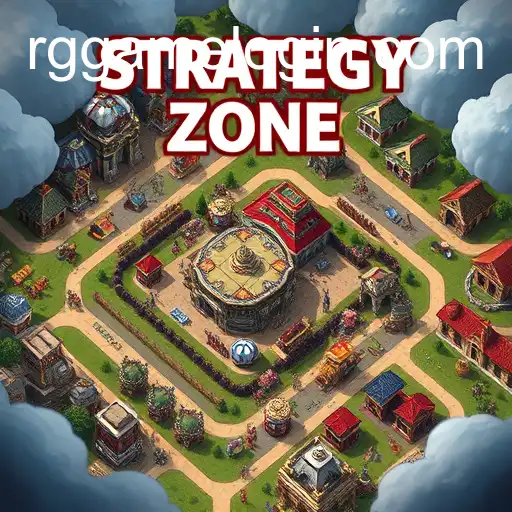
Strategy games are a unique blend of intellectual challenge and entertainment, capturing the attention of gamers who thrive on critical thinking, foresight, and meticulous planning. Unlike other game genres that might rely on fast reflexes or simple mechanics, strategy games require players to delve deep into analysis and future planning, making every decision count toward their ultimate goal.
At the heart of this captivating category is the concept of the 'RG Game,' which stands for 'Resource and Growth Game.' These games challenge players to manage limited resources effectively while fostering growth to outmaneuver opponents and achieve success. The essence of strategy games lies in the balance between immediate needs and long-term objectives, making each move a crucial element of the overall strategy.
Popular within the strategy genre, RG games have captured the fascination of players worldwide by providing a platform for complex decision-making and strategic depth. Titles under this banner often emphasize economy management, technology advancement, and military tactics, offering a comprehensive experience that mirrors real-world strategic scenarios.
The historical roots of strategy games can be traced back to classic board games like Chess and Go, where the foundations of strategic thinking were laid. As technology advanced, digital adaptations and innovations gave rise to a plethora of computer-based strategy games that expanded on these basic principles. Today's players can immerse themselves in richly detailed worlds, managing armies, cities, or entire civilizations.
Key elements of RG games typically include the strategic management of various resources such as troops, raw materials, and technology. Players are tasked with making calculated decisions about where to allocate these resources for maximum effect. Success hinges on the player's ability to anticipate the actions of others, plan multiple steps ahead, and adapt to changing circumstances.
The appeal of RG games is evident in their enduring popularity. They attract not just traditional gamers but also individuals from diverse backgrounds who appreciate the mental challenge and exhilaration of outsmarting an opponent. Online multiplayer modes have further enriched the experience, allowing players to test their strategies against others globally, fostering a competitive yet cooperative community.
In conclusion, strategy games, highlighted by the RG game concept, represent a vital and exhilarating part of the gaming landscape. They invite players to engage with a 'think before you act' mentality, nurturing skills that transcend beyond the gaming world, proving beneficial in real-life situations such as problem-solving and strategic planning. For enthusiasts of mind games, strategy games provide a playground where intellect and enjoyment converge.
